Recycling and Sustainability for Gardeners Wembley Park
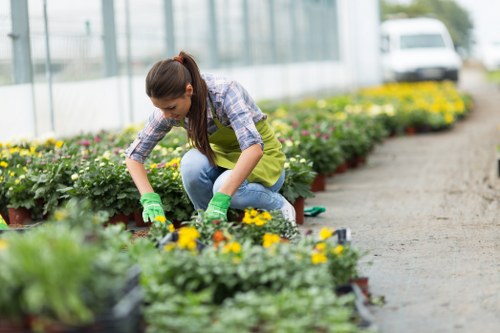 Gardeners Wembley Park takes a practical, responsible approach to greener site maintenance, with recycling and sustainability built into everyday work. From green waste handling to smarter vehicle choices, the aim is to reduce landfill use, cut emissions, and support a cleaner local environment. The team understands that garden maintenance in Wembley Park is not only about healthy planting and tidy outdoor spaces, but also about managing materials in a way that fits today’s environmental priorities. By separating waste carefully, reusing where possible, and choosing lower-impact operations, Gardeners Wembley Park helps create outdoor spaces that are attractive, well kept, and more resource efficient.
One key part of the approach is a recycling percentage target. The service aims to divert at least 85% of green and non-hazardous site waste from landfill, with ongoing efforts to improve that figure wherever local infrastructure allows. This target includes garden cuttings, branches, soil, and selected packaging streams. Where materials are suitable, they are separated for reuse or recycling rather than mixed into general waste. This is especially important in a busy urban area where gardeners in Wembley Park often work across homes, estates, and commercial spaces that generate varied waste types during pruning, clearance, and routine upkeep.
Waste handling is supported through use of local transfer stations and licensed waste facilities serving the wider Brent area. These sites help process green waste, metals, timber, cardboard, and other recyclable materials in line with borough standards.  For teams working across Wembley Park, access to nearby transfer stations reduces unnecessary travel and allows waste to be sorted closer to the source. That makes it easier to keep recyclable material separate, especially when jobs involve mixed loads from hedge cuts, plant replacements, or seasonal clearances. This local network is central to how Wembley Park garden recycling can be carried out efficiently without creating extra transport emissions.
The service also pays attention to borough-level waste separation practices. In the wider area, residents and businesses are encouraged to keep food waste, dry recyclables, and residual waste apart, and that same logic informs professional gardening operations. Gardeners Wembley Park mirrors this discipline by separating green waste from general rubbish and by checking which materials can be recycled through approved channels. Timber offcuts, plastic pots, cardboard sleeves, and metal fixings are handled carefully so that recycling in Wembley Park gardens supports the same principles seen in local domestic collections. This is not treated as an abstract policy; it is part of the day-to-day workflow on site.
Partnerships with charities are another important feature of the sustainability strategy. Usable plant containers, surplus soil, gently used tools, and healthy plants removed during redesigns may be directed towards community groups or charitable organisations where appropriate. These partnerships help extend the life of materials that would otherwise be discarded, while also supporting local environmental and community projects. In practical terms, this means that a garden clearance can sometimes become a source of useful resources for schools, allotment groups, or charity-led growing schemes. Eco-conscious gardening in Wembley Park becomes more meaningful when it supports reuse alongside recycling.
These charity partnerships are also useful during larger seasonal works, when the volume of material can be significant. If a border is being refreshed or an overgrown area is being reshaped, suitable items may be sorted for donation before disposal is considered. This can include planters, well-kept hand tools, compostable materials, and selected decorative items. By building relationships with local good causes, Gardeners Wembley Park ensures that sustainability is not limited to waste reduction alone; it also includes social value. In a dense urban setting, that combination of environmental and community benefit is especially relevant.
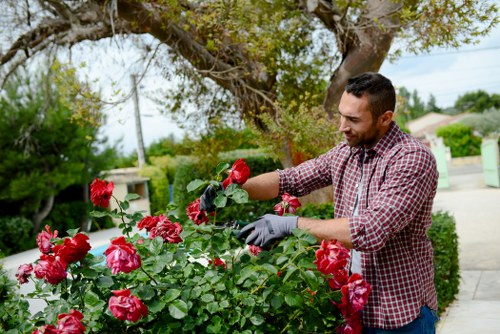 Transportation is another area where greener thinking makes a difference. The fleet includes low-carbon vans designed to reduce fuel use and emissions while still handling the equipment needed for gardening work. These vehicles support low-emission garden maintenance in Wembley Park by making travel between jobs more efficient and less polluting. Where practical, route planning is used to reduce backtracking and empty mileage. Combined with fuel-conscious driving and regular maintenance, this helps lower the environmental impact of everyday operations. For a service that moves across multiple properties and green spaces, even small improvements in transport can have a noticeable effect over time.
Low-carbon vans are particularly valuable for jobs involving waste runs or supply collection. Because Gardeners Wembley Park sustainability measures cover the full cycle of a visit, the transport used to carry clippings, equipment, and reused materials matters just as much as what happens on site. Efficient vans support cleaner operations when visiting gardens, communal grounds, and landscaped public areas around Wembley Park. They also align well with local expectations for quieter, cleaner urban services that fit the character of modern residential developments and mixed-use spaces.
There is also a growing focus on compostable and biodegradable materials within the work itself. Grass cuttings, leaves, and soft green waste are often suitable for composting or specialist recycling once separated correctly. In areas where local facilities permit, this material can be processed into useful outputs rather than sent to disposal. This fits well with the wider recycling and sustainability in Wembley Park ethic, where land use is limited and every effort to keep organic matter in circulation helps reduce pressure on landfill. The result is a more circular approach to garden care, with less waste and more value recovered from routine maintenance.
 Another practical element is careful sorting on site. When teams carry out pruning, bed clearance, turf removal, or planting work, they separate material into clear waste streams so that recyclable items do not become contaminated. This matters in boroughs that place emphasis on clean separation, because mixed loads are harder to process and more likely to be rejected. For Wembley Park gardeners, the process is simple but effective: keep green waste clean, keep recyclable packaging dry, and send only true residual waste for disposal. That approach helps support local systems and keeps the service aligned with modern environmental standards.
By combining a recycling percentage target, use of local transfer stations, charity partnerships, and low-carbon vans, Gardeners Wembley Park shows that sustainability can be woven into every stage of outdoor work. It is a balanced model that respects the realities of urban gardening while still aiming for meaningful environmental gains.  For customers and communities in the area, that means garden recycling in Wembley Park is not an add-on; it is part of how the service operates from start to finish. The focus remains on practical results, cleaner processes, and responsible stewardship of both gardens and materials.